22 october, 2026
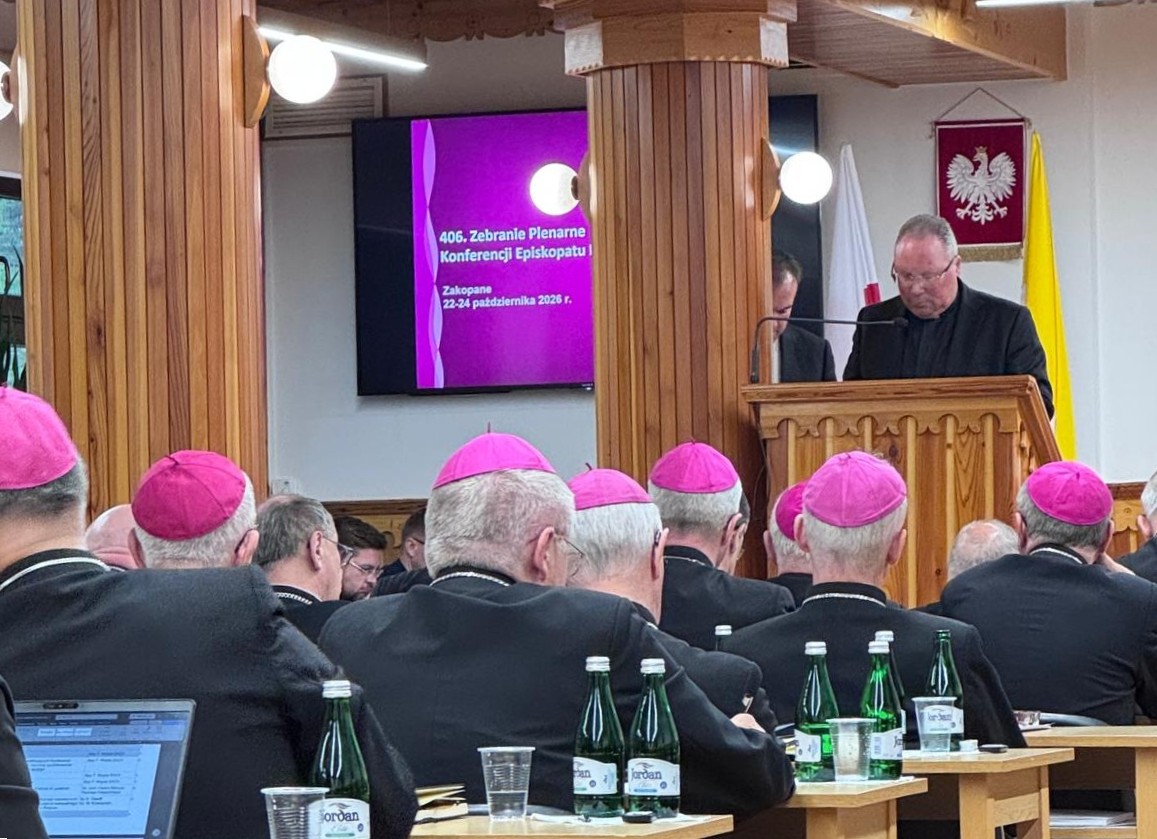
Father Carlos Cabecinhas speaks to the Polish bishops about the connection between Poland and FatimaOn the liturgical feast day of Saint John Paul II, the rector of the Shrine of Fatima was invited to address the Polish Bishops’ Conference.
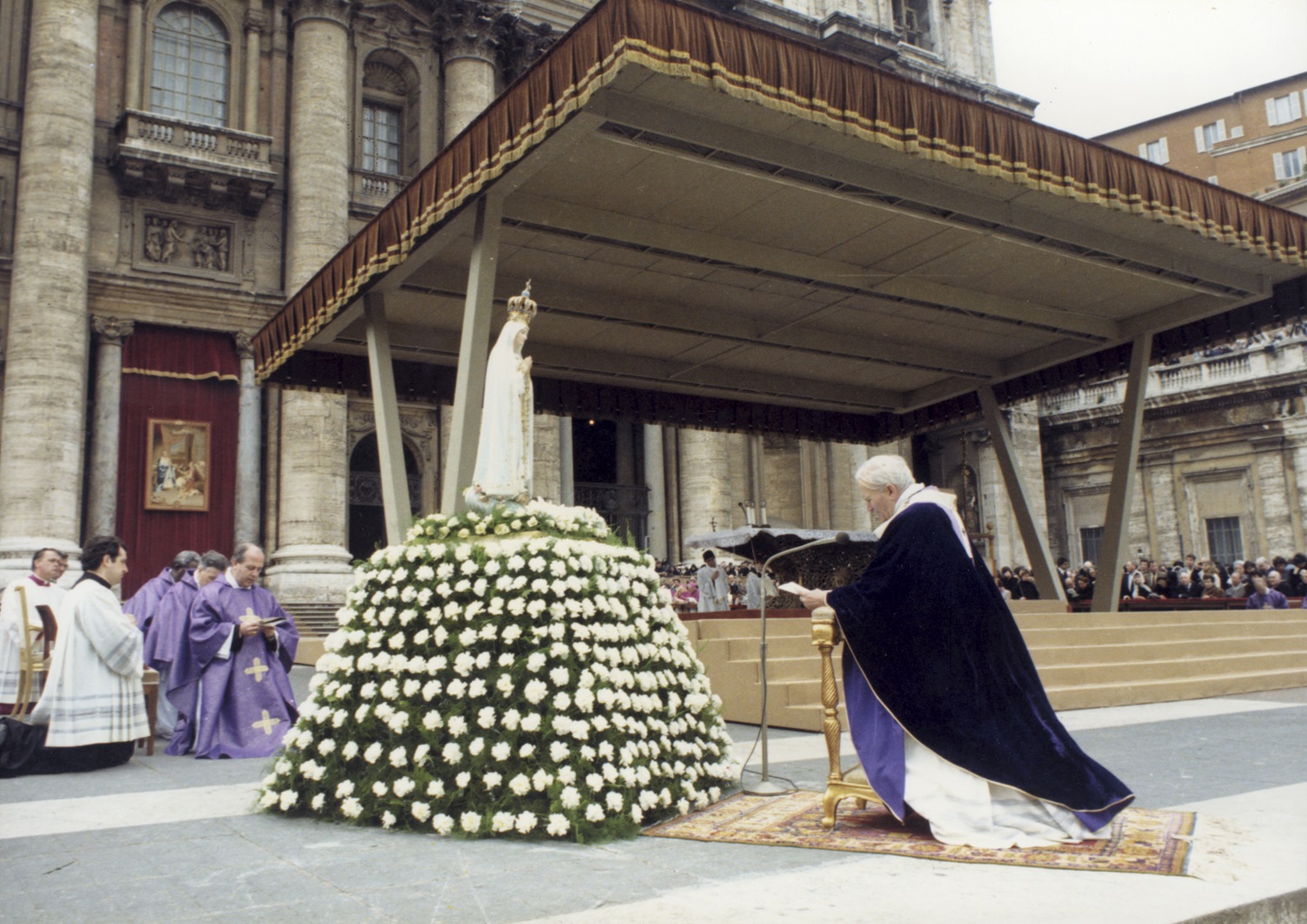
This morning, the rector of the Shrine of Fatima, Father Carlos Cabecinhas, addressed the Polish bishops gathered in plenary session in Zakopane. He highlighted the growing number of pilgrims from that country and the importance of Fatima’s message for those who visit the Cova da Iria. The growing presence of pilgrims from Poland has led the Shrine to include a daily Mass in Polish in its official schedule. In recent years, Polish pilgrims have been the second-largest group among foreign visitors, surpassed only by the Spanish. In 2022, the Shrine received 235 Polish groups, totaling 9,335 pilgrims. In 2023, there were 373 groups and 17,808 pilgrims; in 2024, 550 groups and 24,224 pilgrims. Last year, the numbers settled at 518 groups and 23,007 pilgrims, and the growth trend has continued in 2026. The rector of the Shrine of Fatima acknowledged that the increase in attendance may be partly related to the difficulties of access to the Holy Land as a pilgrimage destination, following the attacks of October 7, 2023, and the war that followed. He considered, however, that the importance of Fatima’s message in Poland and the outreach work carried out in the country are decisive factors in understanding this development. Saint John Paul II and devotion to Our Lady of FatimaOn this October 22, the day on which the Church celebrates the feast of Saint John Paul II, the rector’s address in Poland also emphasized the Polish Pope’s influence on the connection between Poland and Fatima. John Paul II visited the Shrine three times, in 1982, 1991, and 2000, and twice asked that the image of Our Lady of Fatima, venerated in the Chapel of the Apparitions, be brought to Rome. The first pilgrimage, in May 1982, took place a year after the assassination attempt on the Pope in Saint Peter’s Square. Upon arriving at the Chapel, John Paul II revealed that his first thought, after realizing what had happened, had turned to the Shrine, to give thanks for the protection of the Virgin Mary.
The rector also recalled the consecration of the world to the Immaculate Heart of Mary, performed by John Paul II in Rome on March 25, 1984, before the image of Our Lady of Fatima, which was specially brought from the Cova da Iria for that moment, in communion with the bishops of the whole world. The Pope’s connection to Fatima was further marked by his gift of the bullet that struck him to the bishop of Leiria-Fatima. It was later set into the precious crown of the image of Our Lady. On his last visit, in May 2000, John Paul II beatified Francisco and Jacinta Marto, whom he described as “two lamps that God lit to illuminate humanity in its dark and restless hours.” As Father Carlos Cabecinhas recalled, the Portuguese bishops then stated that John Paul II would forever be the “Pope of Fatima.” For the rector, however, the Polish pilgrims’ connection to the Shrine is not exhausted by the influence of the pontiff. The pilgrimage growth is also the result of work to spread the message, notably the apostolate carried out by the Priests of the Society of the Catholic Apostolate (Pallottines) and by the National Shrine of Our Lady of Fatima in Zakopane, built as an act of thanksgiving for the Pope’s recovery after the assassination attempt of May 13, 1981. Father Carlos Cabecinhas also highlighted the growing spread in Poland of devotion to the First Saturdays, a request that was made concrete in Our Lady’s apparitions to Sister Lúcia in Pontevedra. A Message that is relevant for the Church and the worldIn reflecting on the relevance of Fatima’s message, Father Carlos Cabecinhas identified three fundamental dimensions: God’s place in human life, prayer for peace, and the importance of the rosary. In a context of religious indifference, where the tendency is to live as if God did not exist, the rector of the Shrine of Fatima considered it urgent to reaffirm the primacy of God in believers’ lives. The Message of Fatima, he said, leads to God through a spiritual experience capable of transforming life, as happened with the three children of Aljustrel. Peace is another central dimension. Recalling that the apparitions occurred during World War I and that Poland lived through World War II in a particularly dramatic way, the rector drew a connection to current conflicts, invoking Pope Francis’s expression about a “third world war fought piecemeal.” The third aspect he highlighted was prayer, in particular the daily recitation of the rosary, which Our Lady asked for repeatedly during the apparitions. In a society marked by the pursuit of immediate results, the rector considered that prayer teaches us to trust and to wait. The message of Fatima thus remains relevant because it leads to the essentials of the Christian faith and is expressed not only in prayer and celebration but also in commitment to others. Citing Benedict XVI, Father Carlos Cabecinhas recalled that Fatima is a school of faith and hope, but also of charity and service to our brothers and sisters, a dimension he considered indispensable for living faithfully the message received. The rector also stressed that pilgrims find in Fatima a place of welcome and hope, where trust in the Immaculate Heart of Mary is expressed in gestures such as praying the rosary, the candlelight procession, and contemplation of the image in the Chapel of the Apparitions. |