12 august, 2026
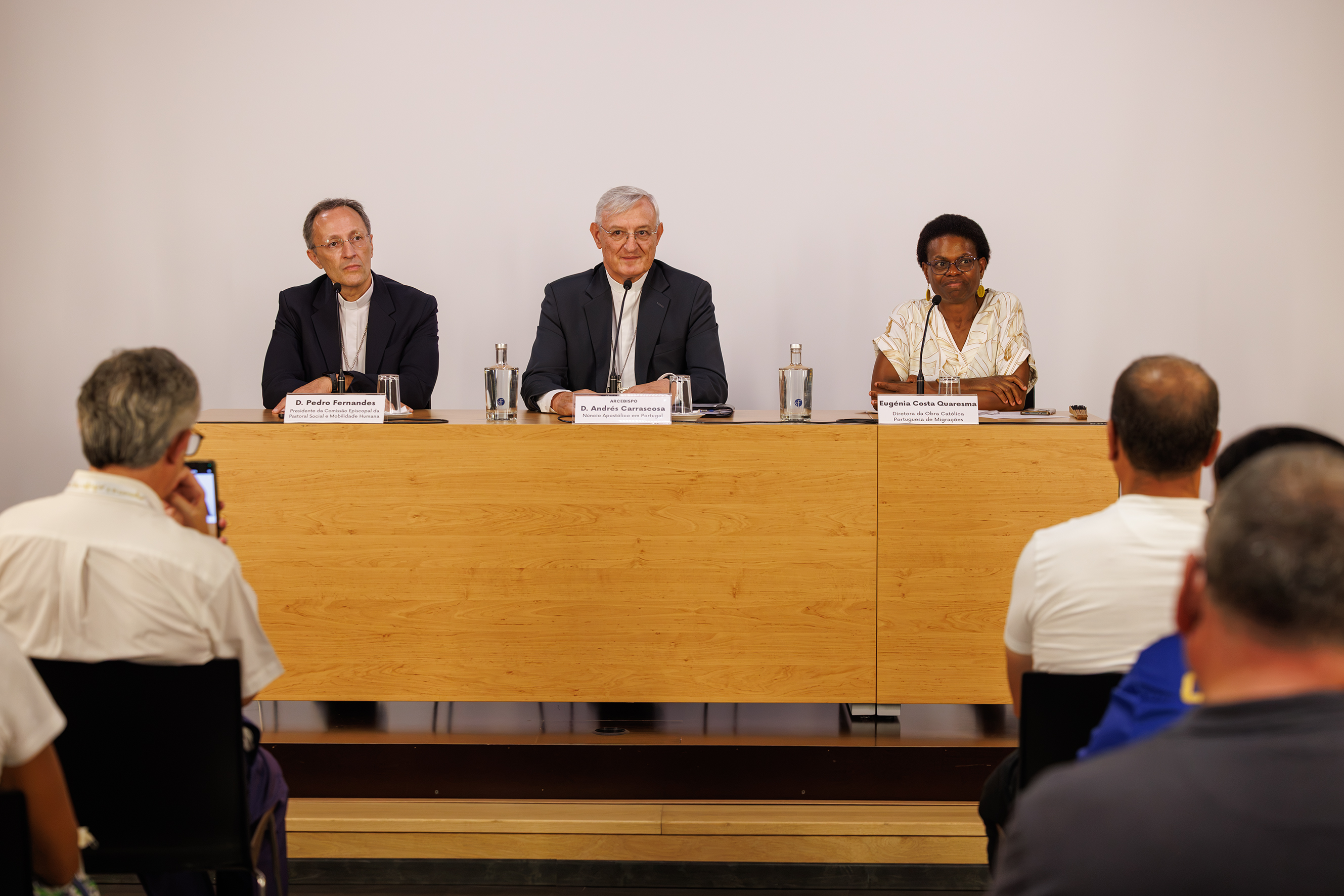
“No one is a stranger in Fatima”During a press conference at the start of the August 12–13 pilgrimage, Archbishop Andrés Carrascosa spoke of Fatima as the “Mother’s house,” where all pilgrims are brothers and sisters.
On the afternoon of August 12, ahead of the International Anniversary Pilgrimage, the Apostolic Nuncio to Portugal, who is presiding over the celebrations, criticized the political exploitation of migrants and described the Shrine of Fatima as a home where everyone belongs. “Here, we realize that we are all children of the same Mother, that we are brothers and sisters, even if we speak different languages. To me, that is the essence of this pilgrimage. Children in their mother’s home, where no one can say another doesn’t belong. No one is a stranger in Fatima; in Christian communities, no one is a stranger,” Archbishop Andrés Carrascosa stated. When asked about the recent mass entry of migrants into Ceuta, the Holy See's representative rejected labeling the situation a “migrant crisis,” describing it instead as a “complex geopolitical issue”. He warned against the dangers of populism, which offers “easy solutions to difficult problems”. The analysis is being “overshadowed by simplistic political stances that swing from one extreme to the other, neither of which solves anything,” he added, emphasizing that welcoming others is not just a political choice, but a requirement of faith. “A Christian has no right to be xenophobic. But beyond our duty as Christians, I also believe the Portuguese people have no right to be xenophobic, given how often throughout history they have set out to seek a better life for their own families,” he concluded, expressing his wish that the pilgrimage be marked by the presence of both Portuguese emigrants and immigrants living in Portugal.
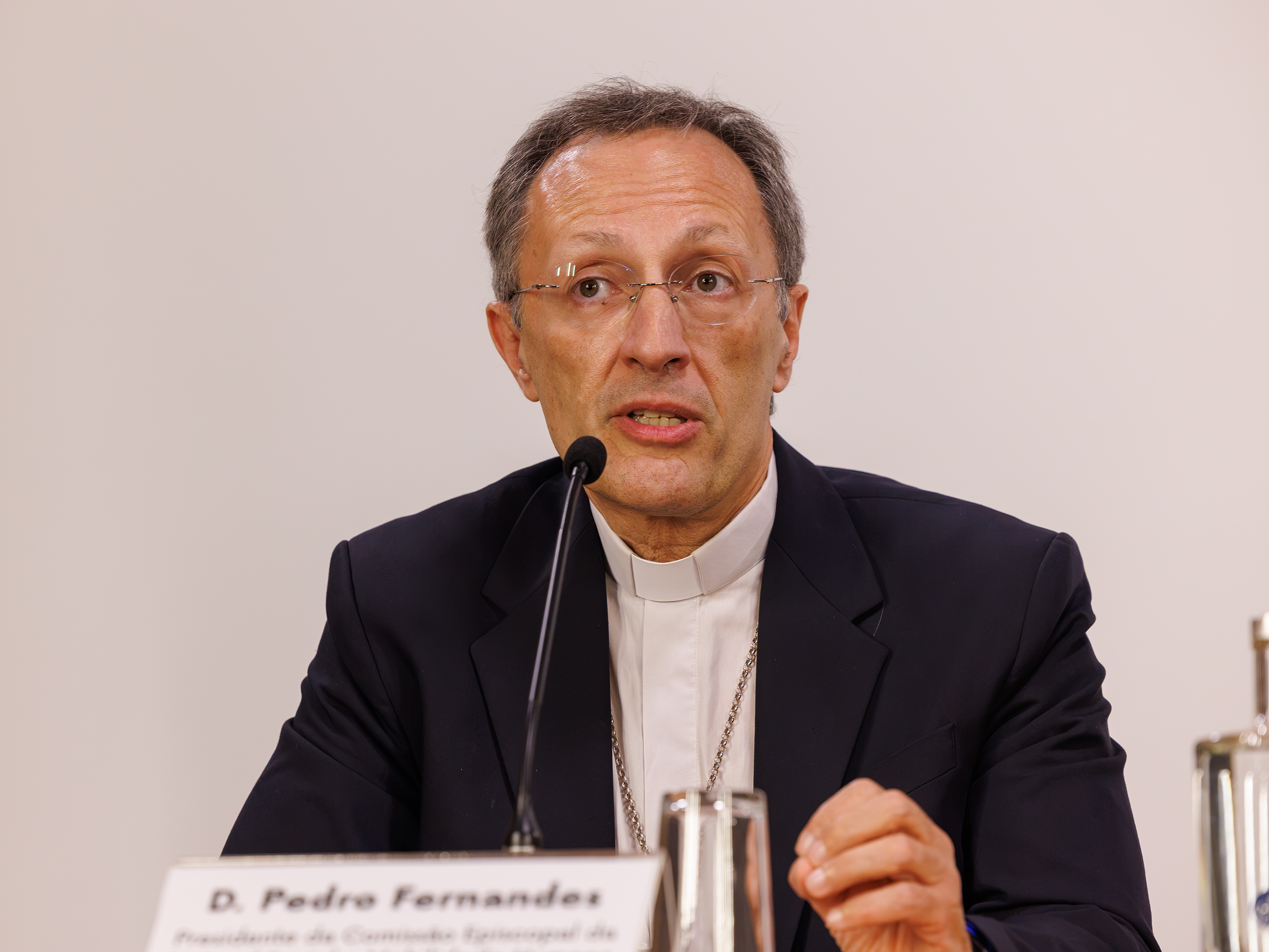
“We must build the right conditions” for migrantsEchoing the Vatican diplomat, the president of the Episcopal Commission for Human Mobility (ECHM) also took part in the press conference for the National Pilgrimage of Migrants and Refugees on August 12–13, underscoring every Christian's ethical obligation to welcome others. “There is no room for prejudice, negative discrimination, or xenophobia among those who call themselves Christians — [that is] completely contrary to Christian sensitivity and the Church's tradition of faith,” said Bishop Pedro Fernandes. He framed immigrants as a “gift” and a source of enrichment who deserve proper care. “We cannot receive these people in Portugal haphazardly. We must build the conditions to put into practice the four key verbs the Church values so deeply: welcome, protect, promote, and integrate,” the ECHM president explained. Bishop Fernandes reminded attendees that human mobility should not be seen as foreign to the faith, but rather as a core, defining element of the Church itself, which is a “pilgrim community”. Eugénia Quaresma, director of the Portuguese Catholic Work for Migration, opened the press conference by introducing the theme of the pilgrimage. She stressed the importance of guiding the conversation on migration, acknowledging that it has become “highly politicized”. “We have Church documents and pastoral guidelines that help us not only to understand better the Church’s vision, but also to put it into action,” noted Quaresma, who also paid tribute to Professor Eugénio Fonseca, former head of Cáritas Portuguesa, who passed away that day. |