30 november, 2025
Shrine of Fátima Inaugurates Unprecedented Exhibition with Objects Belonging to Sister Lucia and National TreasuresOn the lower floor of the Basilica of the Holy Trinity, visitors are invited to a unique sensory and contemplative experience.
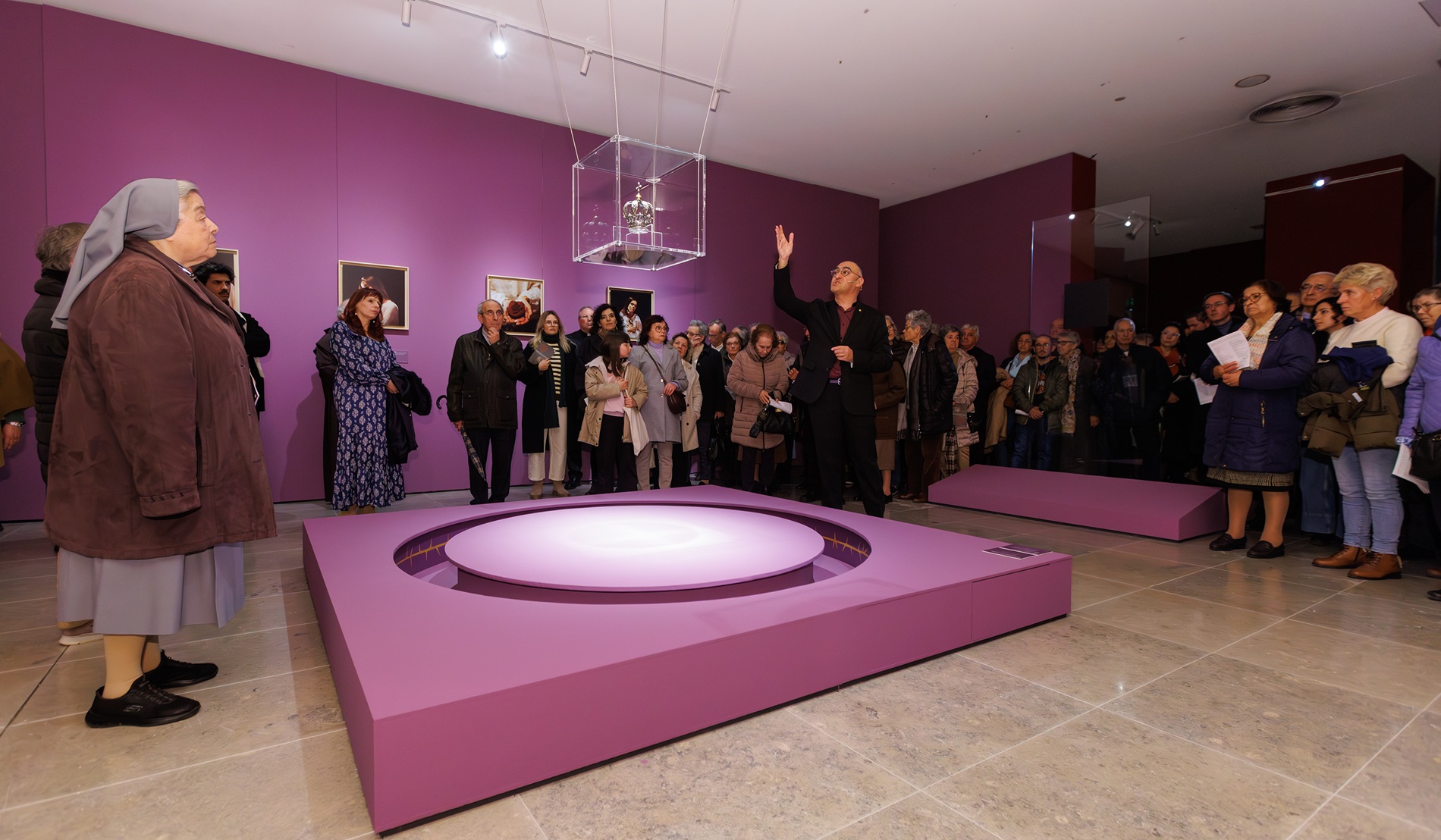
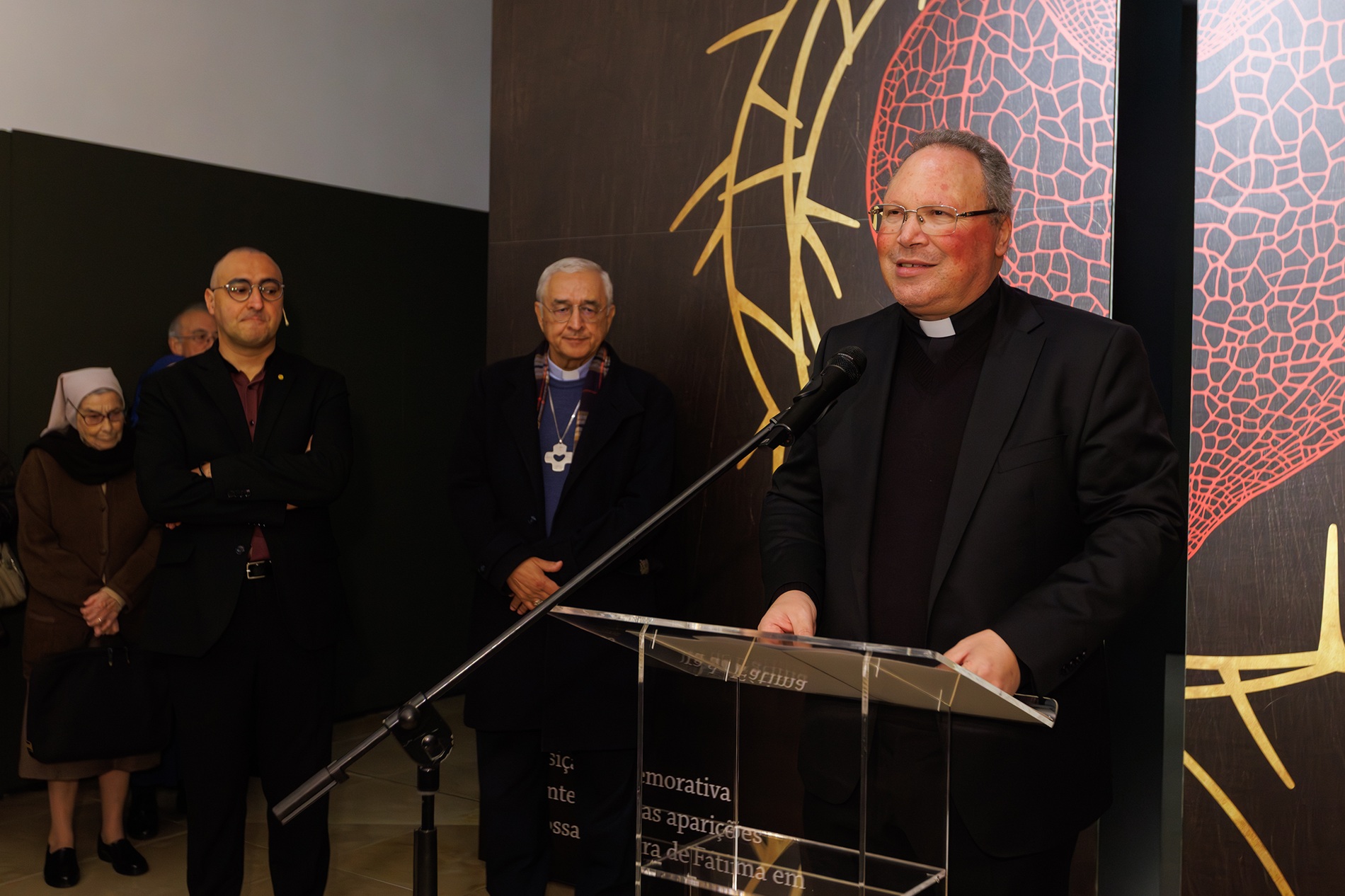
On 29 November, the Shrine of Fátima inaugurated the exhibition ‘Refuge and Path’, a large-scale exhibition of great historical depth that marks the centenary of the apparitions of the Virgin Mary to Sister Lucia in 1925 and 1926, when she was living in Pontevedra, Spain. The exhibition brings together the visionary's personal objects, which have never been shown to the public, as well as works of art of great importance. These include two paintings classified as National Treasures and a set of sensory installations offering visitors a unique spiritual and contemplative experience. Alongside other initiatives promoted by the Shrine of Fátima, the exhibition marks the beginning of a four-year programme dedicated to the centenaries of the apparitions in Pontevedra and Tuy, running until 2029. The aim is to deepen knowledge of this lesser-known period in Lúcia de Jesus's biography and of the message of Fátima itself. At the opening session, the rector of the Shrine of Fátima, Father Carlos Cabecinhas, thanked all those who collaborated in setting up the exhibition, including artists, creatives, Shrine collaborators and entities that made pieces available for temporary loan. Marco Daniel Duarte, the director of the Shrine of Fátima Museum and the exhibition's curator, emphasized that the exhibition is the result of a collective effort. He noted that decades of research had gone into these exhibitions and dedicated the first visit to the memory of Luciano Coelho Cristino, the former director of the Shrine's Studies Department, who passed away on 28 November 2025.
Unique objects and National TreasuresAmong the items on display for the first time to the public are Sister Lucia's Dorothean habit, handwritten letters, a crucifix, pens used in writing her memoirs, castanets and sewing accessories, including needles, thread and a thimble.
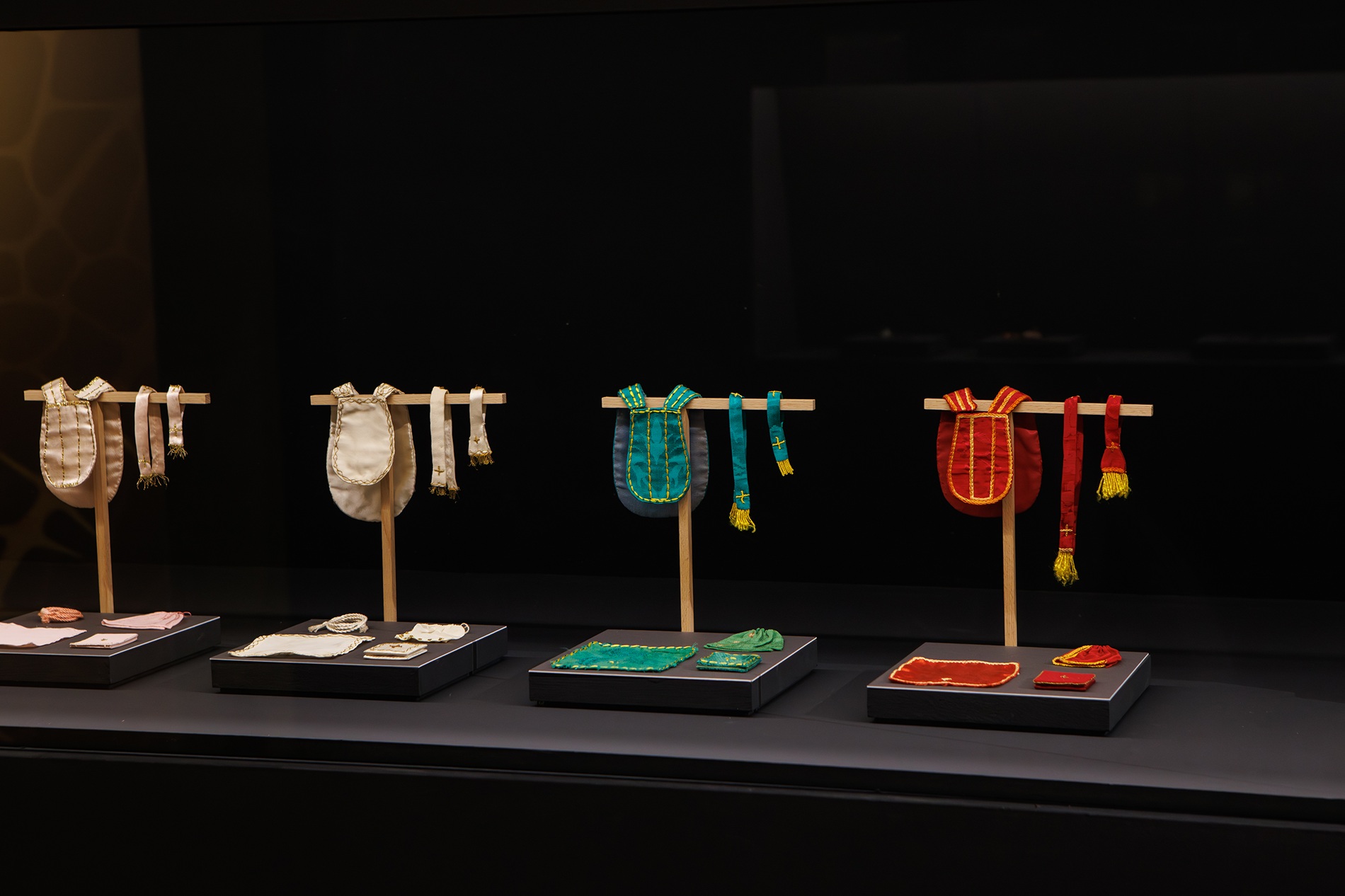
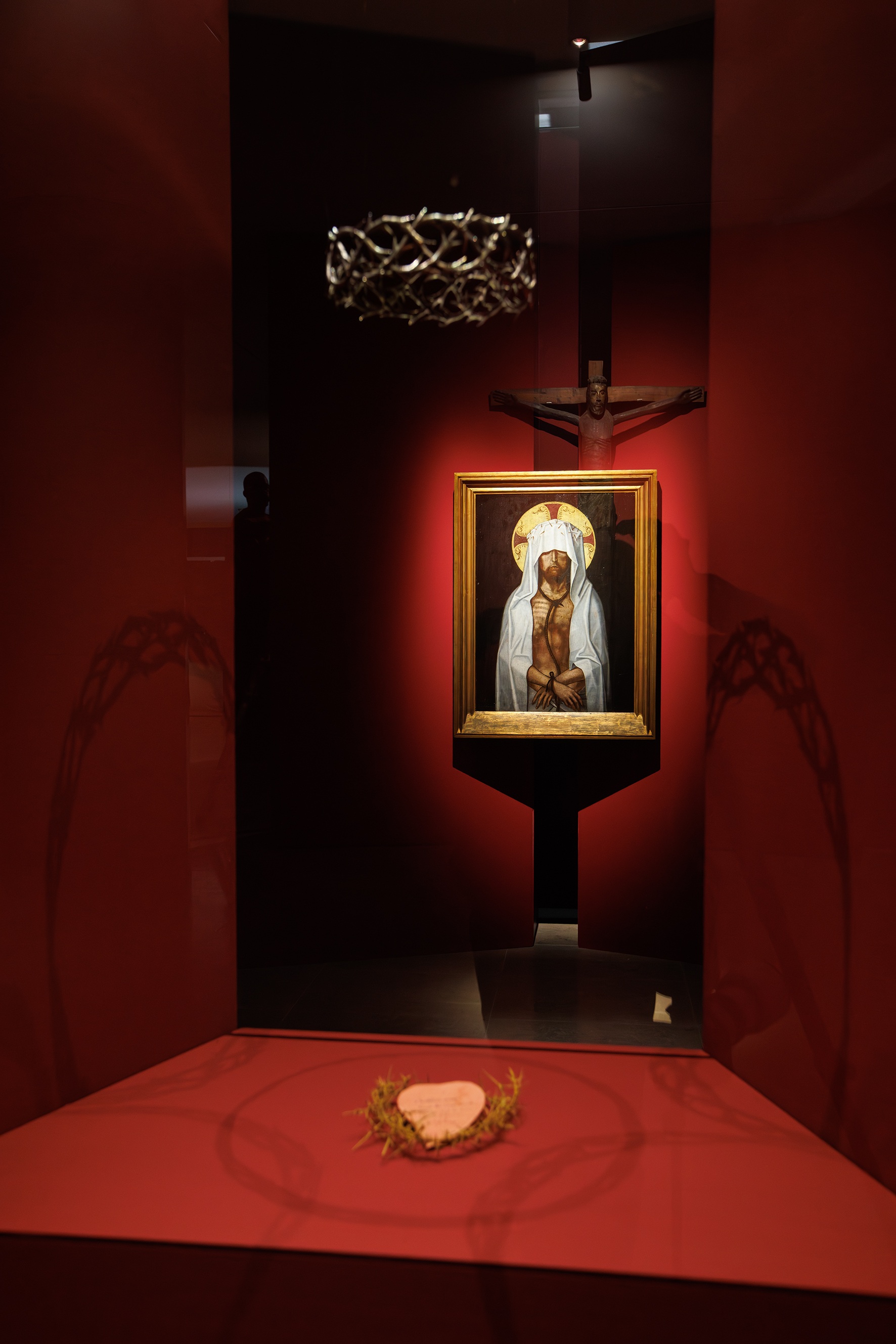
A set of liturgical miniatures, carefully produced by the visionary herself during the period she lived with the Sisters of Saint Dorothy, also promises to delight visitors. The exhibition also includes two works classified as National Treasures: the painting Ecce Homo, from the National Museum of Ancient Art in Lisbon, and The Last Supper, from the Frei Manuel do Cenáculo National Museum in Évora. When asked to select a piece that best represents the exhibition, Marco Daniel Duarte acknowledges the difficulty of the task given the variety of emblematic pieces on display, some of which were created specifically for the exhibition, while others, such as Sister Lucia's habit and the miniatures she made, are being exhibited for the first time. However, he believes that the Ecce Homo from the National Museum of Ancient Art best exemplifies the spirit of the exhibition because it features a key symbol of Fátima: the crown of thorns on Jesus's head. 'The mystery of Ecce Homo is not only that of the Christian Church, but also of Catholics and Christianity. It is the idea of the man of sorrows who suffers at every moment in history. This piece was created centuries ago, yet it still communicates with visitors to the exhibition today," he said.
A sensory and contemplative experienceThe exhibition is also notable for its experiential nature. Visitors can handle symbolic thorns, interact with screens, and listen to an original musical composition by Sílvio Vicente, titular organist of the Shrine of Fátima, which uses a heartbeat as a metaphor for the Heart of Mary. “We want visitors to have an experience based on sensory aspects,” says Marco Daniel Duarte, expressing the Shrine's intention for the exhibition to be not only a journey through the history of the apparitions, but also an inner journey that invites each visitor to view the world and themselves in light of the message of Fátima. Marco Daniel Duarte hopes that visitors will see that, despite everything, humanity can be redeemed, and he points to the victory of good over evil as the key to understanding the exhibition. “That is the message of Fátima,” he concluded.
Where and when to visitLocated on the lower floor of the Basilica of the Holy Trinity, the exhibition is open until 15 October 2027, from 9:00 a.m. to 12:30 p.m. and from 2:00 p.m. to 5:30 p.m. Admission is free, and it is open every day except the afternoon of 24 December, 25 December, and 1 January. Over the coming years, visitors will also have the opportunity to enjoy guided tours accompanied by museum guides and a parallel cultural programme. This will consist of monthly thematic sessions dedicated to topics such as war, the symbolism of Ecce Homo, and the historical interpretation of apparitions. |