17 april, 2026
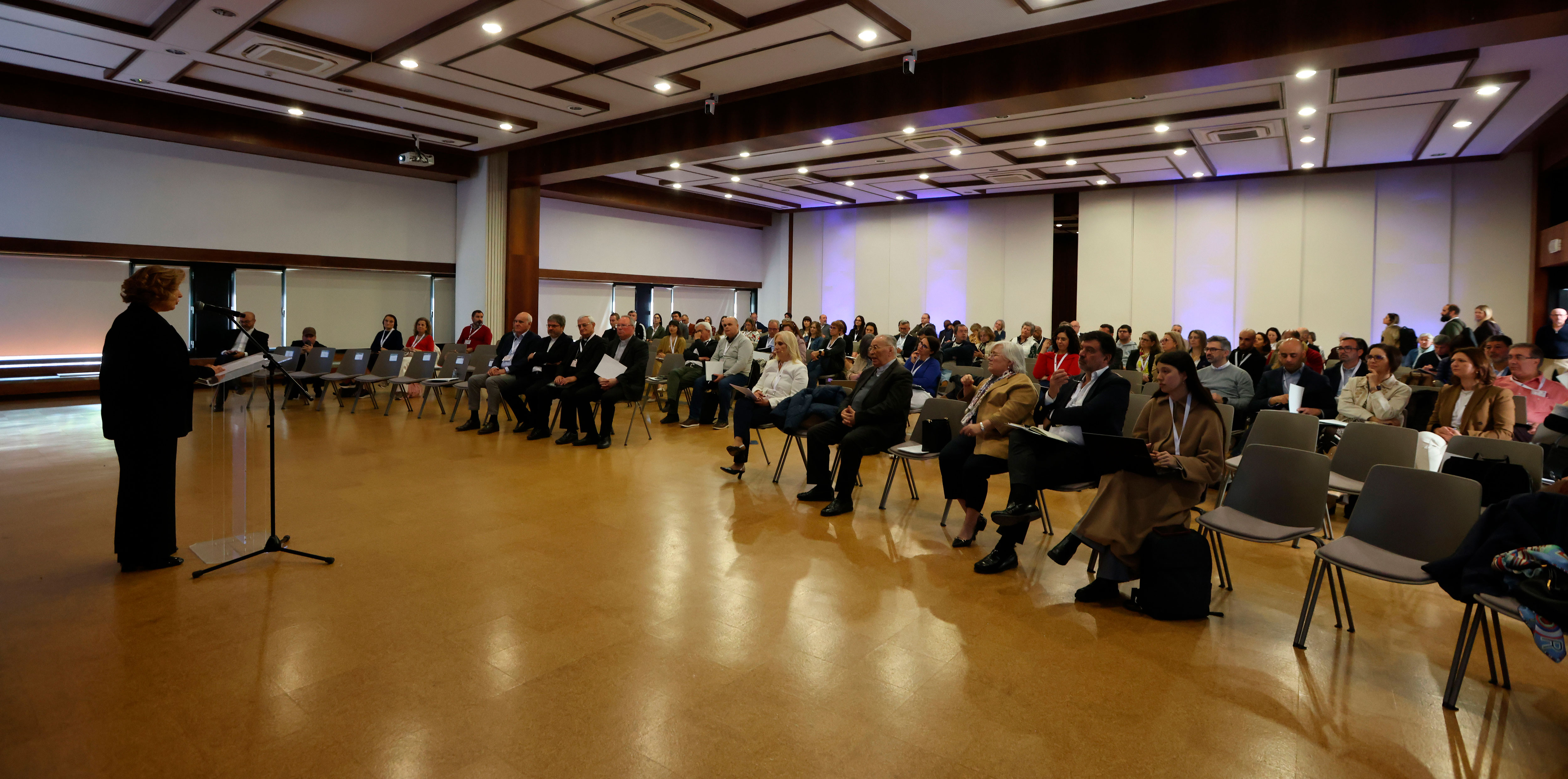
Conference debates communication as an instrument of peaceThe conference brought together approximately 120 participants at the Sanctuary of Fatima to discuss the theme: “Communication as an Instrument for Peace”.
The Rector of the Sanctuary of Fatima opened the V Communication Conference of the Sanctuary of Fatima, held on April 17, highlighting the current relevance and importance of the meeting's theme. "Today, unfortunately, peace has become a current issue again, and Fatima speaks to us of peace," said Father Carlos Cabecinhas, referring to the prayer, the appeal for peace, and the attention to the most vulnerable present in the message of Fatima. "The place where one prays for peace can also be a place where one reflects on peace," added Patrícia Duarte, Director of the Communications Office, before introducing the first moment of the conference: a listening session of the chronicle "A Day in the World," prepared exclusively for the meeting by journalist Francisco Sena Santos from the radio station Antena 1.
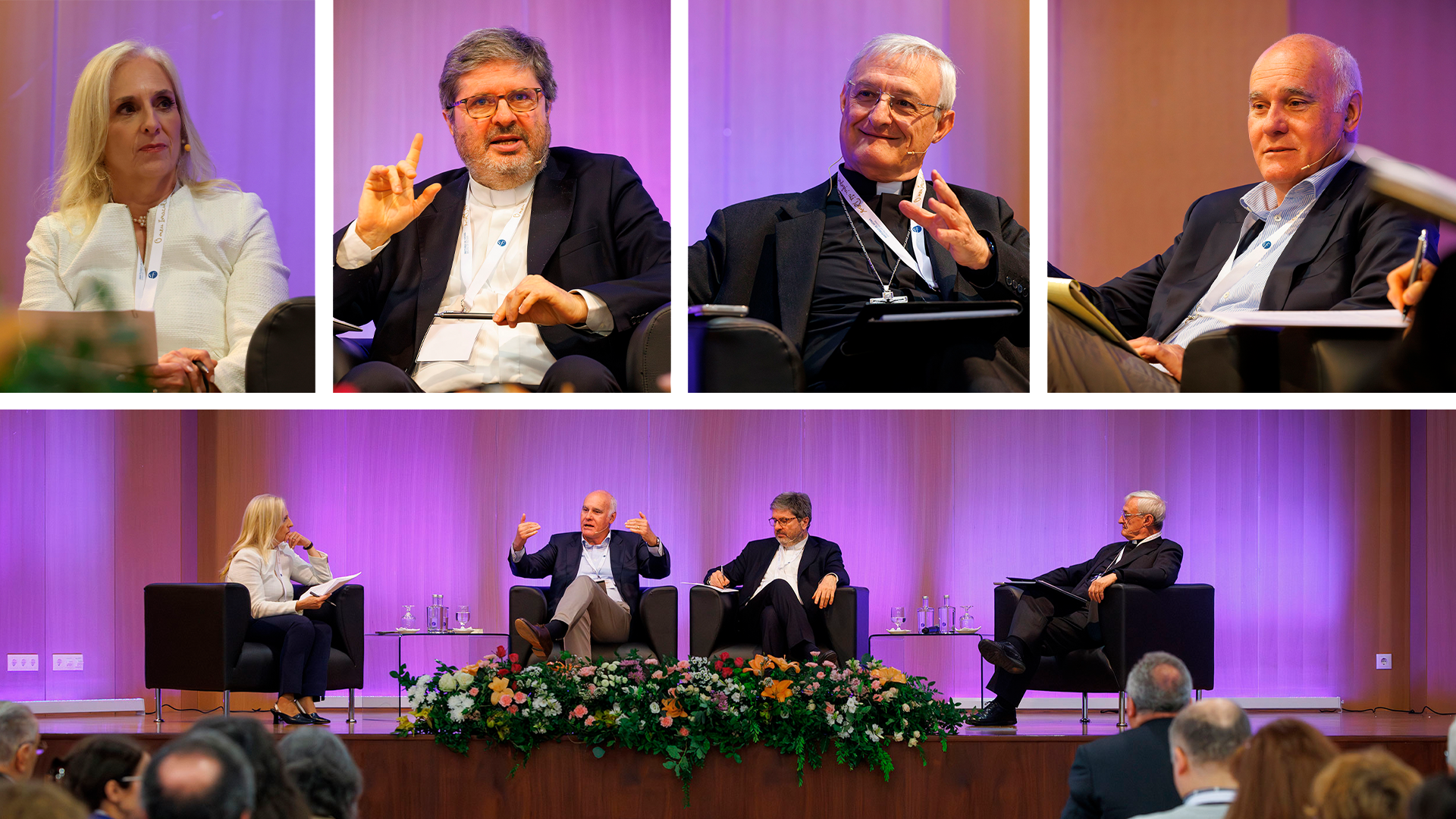
Journalist Rosário Lira moderated the opening panel, which featured guests Father Angelo Romano, Archbishop Andrés Carrascosa, and João Vale de Almeida.
The opening panel followed, bringing together three speakers: the Apostolic Nuncio to Portugal, Archbishop Andrés Carrascosa; the former European Union Ambassador to the United States, the United Nations, and the United Kingdom, João Vale de Almeida; and Father Angelo Romano, a member of the International Relations Department of the Community of Sant’Egidio. The panel was moderated by RTP and Antena 1 journalist Rosário Lira, who fueled the dialogue by exploring the speakers' extensive experience in mediation and diplomacy. The Holy See’s Nuncio to Portugal criticized the "lack of media attention" given to the current papacy and warned about the role of algorithms in creating "thought bubbles" that hinder encounters with differing views. He appealed for the media to be "agents of peace," capable of disarming words and giving a voice to the voiceless, as previously requested by Pope Leo XIV. Diplomat João Vale de Almeida acknowledged the media's difficulty in escaping the logic of conflict, which generates attention and curiosity, especially in today’s social context, where violence is increasingly trivialized. He proposed several principles that could prevent war: Deterrence among enemies, prioritizing a culture of negotiation, greater valuation of international institutions, increased involvement from civil society, and the independence of mediators Father Angelo Romano of the Community of Sant'Egidio provided the perspective of someone working directly in mediation. He emphasized the importance of negotiators' moral authority, justified by the absence of any interest other than peace. He also warned journalists about the danger of reproducing war propaganda and failing to provide context regarding the roots of conflicts. In response to a final question from the moderator, all three speakers agreed that communication professionals bear an increased responsibility in a world where war is once again presented as a natural option.
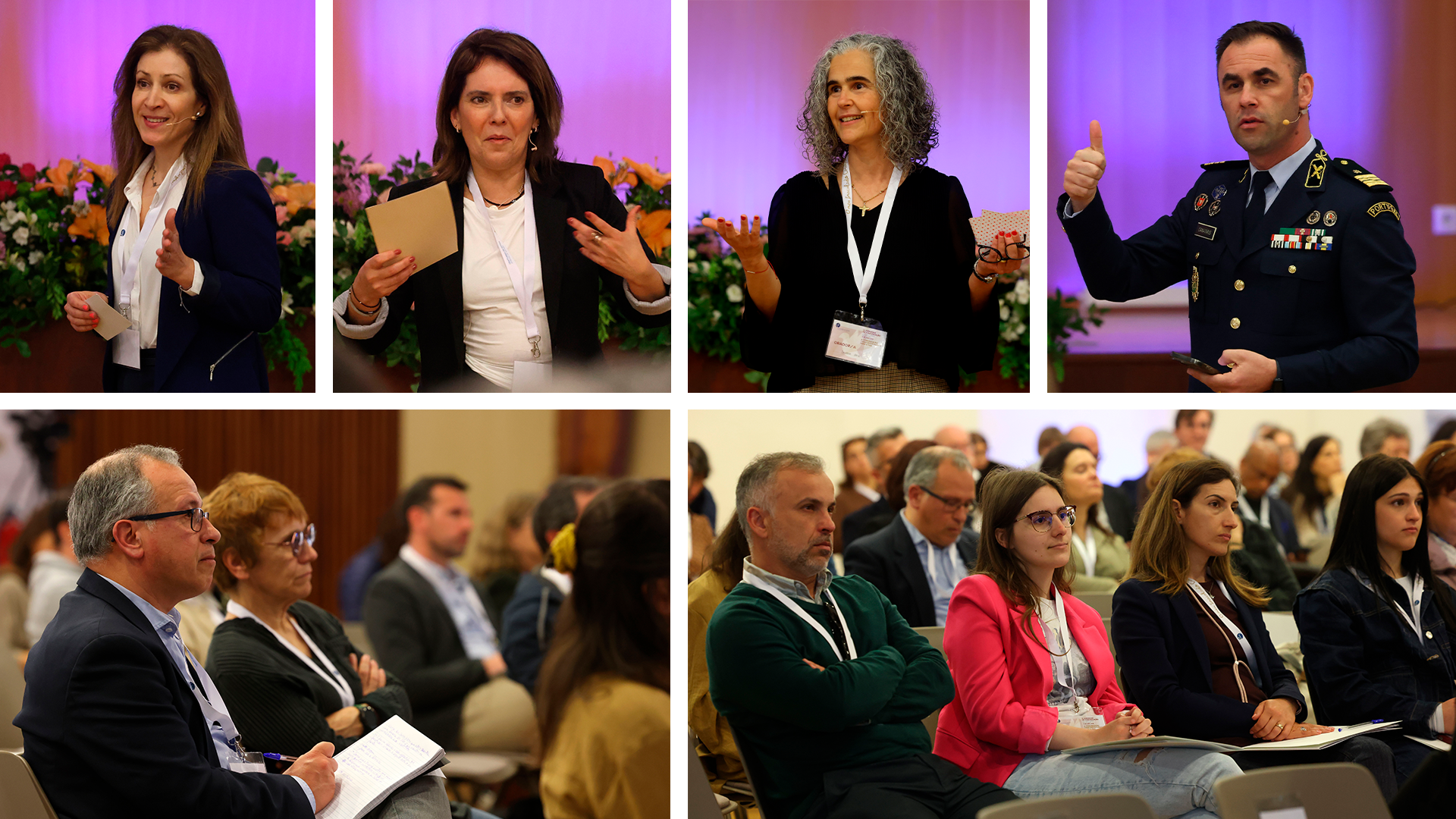
At the end of the morning, the program included four 13-minute lectures on communication as an instrument of peace online, at work, in the family, and in crisis contexts.
Peace in Daily RealityDuring the morning session, communication was presented as an instrument of peace through brief 13-minute talks focusing on four everyday environments: Family: Sandra Belo, mentor of the Family Coaching project, highlighted the importance of the model parents provide for their children. Work: Patrícia Ervilha, a development and training consultant, identified age and cultural differences as the main obstacles to peace at work, suggesting active listening, the "grammar of empathy," and dialogue as tools to achieve it. Online: Rita Basílio de Simões, a professor at the University of Coimbra, stressed the importance of personal responsibility and mindfulness in promoting peace in the digital environment. Crisis: Lieutenant Colonel Carlos Canatário, spokesperson for the GNR (National Republican Guard), emphasized the importance of concepts such as preparation, transparency, and humility before, during, and after crises.
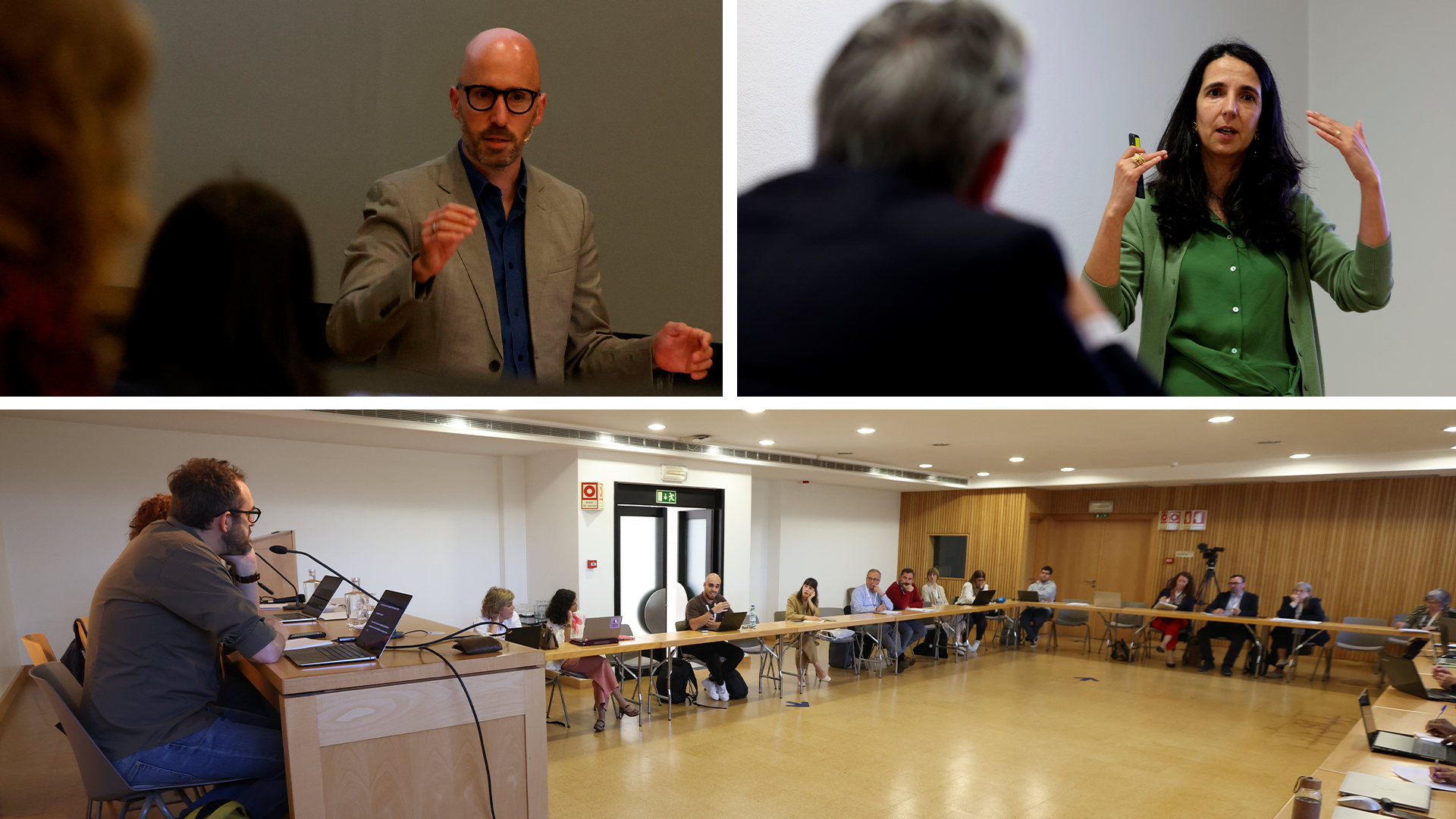
In the afternoon, participants were divided into three practical workshops on artificial intelligence, public speaking, and podcast creation. New Sanctuary Podcast Launched at the ConferenceDuring the afternoon, participants took part in one of three practical workshops: Public Speaking: Led by Lia Gomes, coordinator of the Carla Rocha Communication Academies. The event concluded with the launch of the Sanctuary of Fatima’s new podcast, “Política em Estado de Graça” (Politics in a State of Grace). Each month, the podcast will invite politicians to reflect on the relationship between politics and religion.
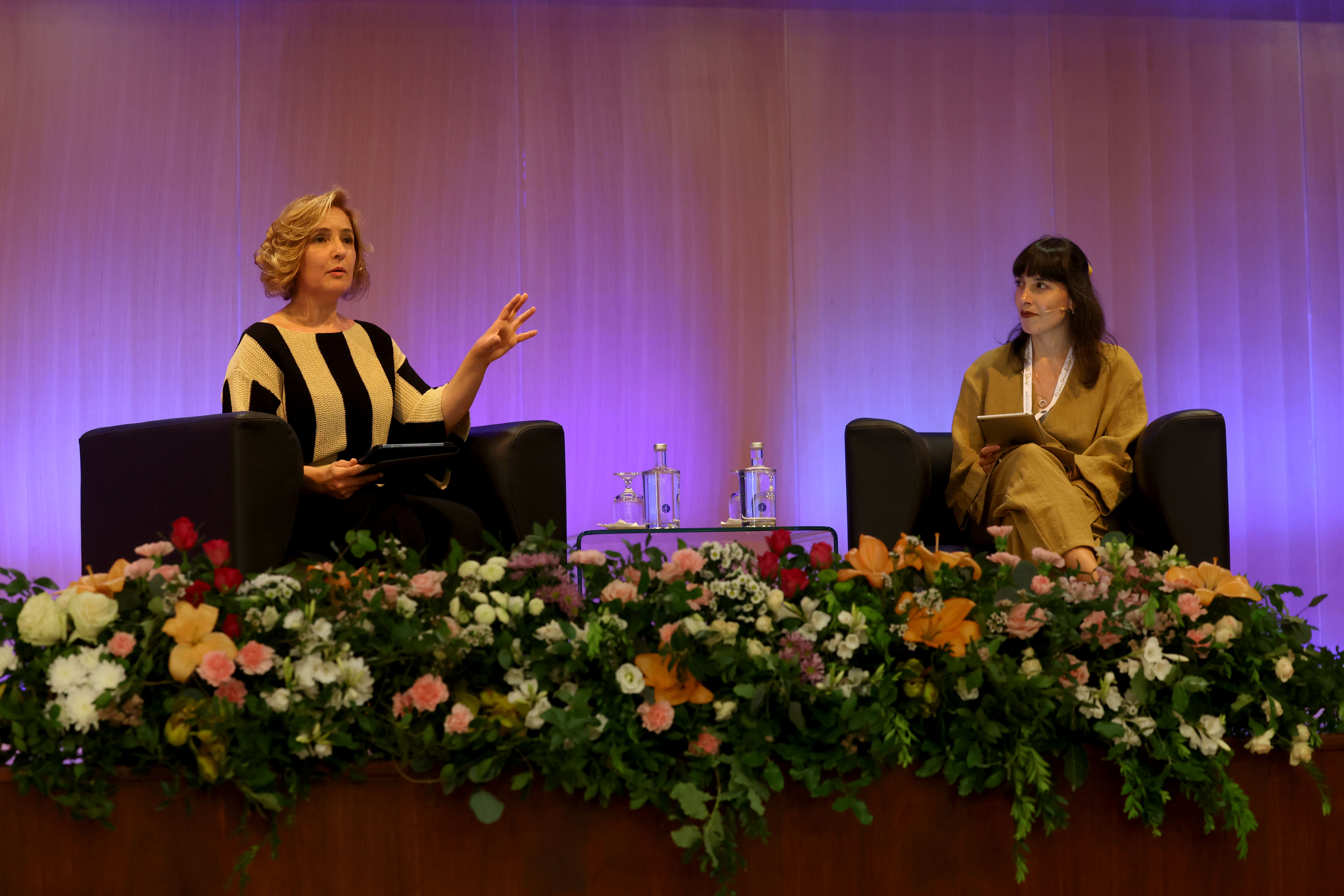
Patrícia Duarte, Director of the Sanctuary of Fatima Communications Office, and journalist Vanessa Cruz present the Sanctuary’s new podcast, "Politics in a State of Grace". |